
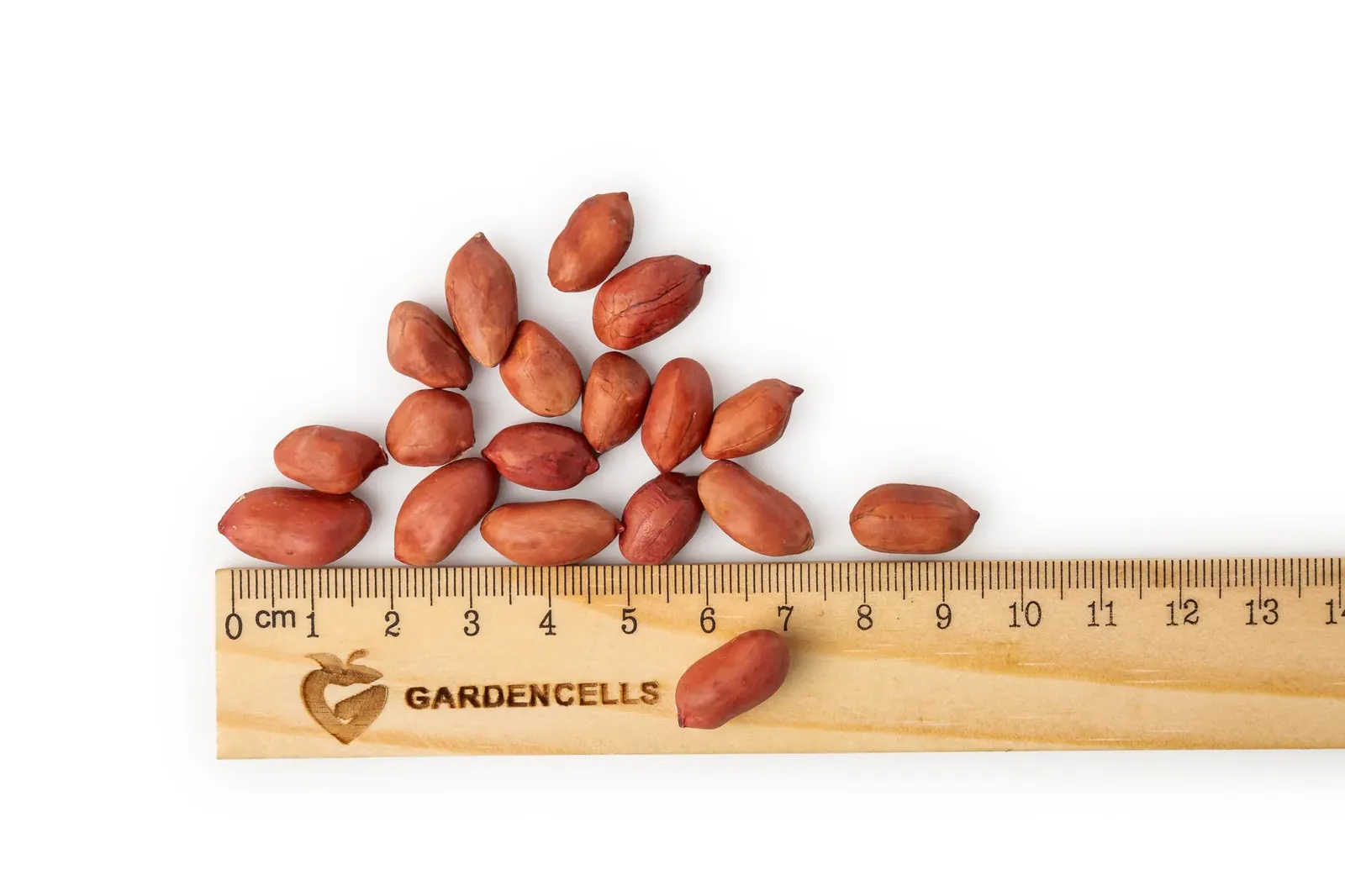
Peanut Kernels “Raw”
Description
1. How it is grown and harvested: Peanuts have become an important crop for farmers in Uzbekistan, especially in the Fergana Valley and the southern regions, where long, hot summers and light irrigated soils provide the conditions that the crop needs. These kernels come from peanuts grown in Uzbekistan’s warm, irrigated fields. After the autumn harvest and natural drying, the pods are shelled and the kernels are separated. The kernels have a light pink-red skin and a sweet, mild taste typical of peanuts grown in warm, sunny conditions. Peanuts are an important crop for farmers in the Fergana Valley and southern regions of Uzbekistan, where long, hot summers and light irrigated soils give well-filled kernels. Shelling is done carefully so that as many whole kernels as possible are preserved, and the kernels are calibrated by size for different uses.
2. Processing and packaging details: The kernels are sorted by size, cleaned and inspected to remove damaged, discoloured or broken kernels and foreign matter. They are packed in food-grade, moisture-resistant packaging inside export bags or cartons and should be stored cool and dry. Each lot is checked for moisture and quality before packing, since dry, cool storage is essential for peanuts. Peanuts must be kept dry and cool (ideally below 15 °C, relative humidity below 65%) to protect quality and prevent spoilage. In-shell peanuts keep their quality for up to 12 months; kernels are best used within 6–12 months in closed packaging. Each lot can be supplied with export documentation, including a phytosanitary certificate and certificate of origin, on request.
3. Health benefits and nutrition: Raw peanuts are rich in plant protein and provide healthy fats, fibre, niacin, vitamin E, folate and magnesium. Peanuts are a major allergen. A moderate portion of peanuts gives long-lasting energy and helps keep you full. Peanuts are also naturally gluten-free and a valuable protein source for vegetarian and vegan diets. Raw peanut kernels are used for roasting, salting and coating, peanut butter, confectionery, bakery, oil and cooking. They are also popular in Asian, African and Latin American cooking, for example in sauces, stir-fries and stews. Raw kernels can also be boiled with salt, a popular snack in many countries.
Nutrition facts
per 100 gTypical values. Raw kernels. No added salt or sugar.