
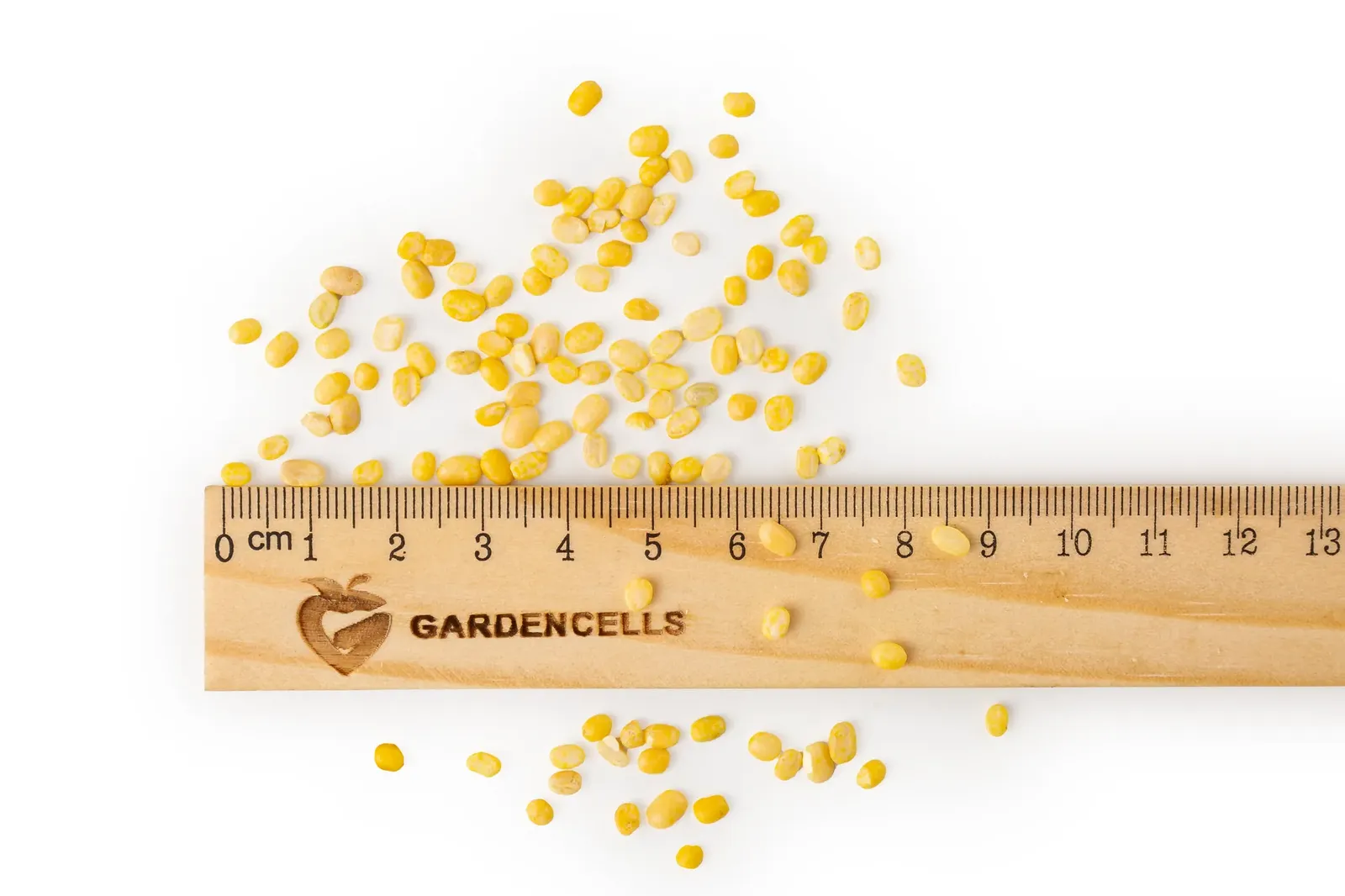
Mung Dal
Description
1. How it is grown and harvested: Pulses have been grown in Uzbekistan for centuries and are a key part of the national cuisine. Today the country is a significant exporter of pulses, especially mung beans and beans, thanks to its long, hot growing season, irrigated fields and the possibility of growing a second crop after the wheat harvest. Mung dal is made from mung beans grown in Uzbekistan. After harvest and natural drying, the beans are hulled to remove the green skin and split into halves, revealing the yellow interior. The splitting and hulling process makes the beans cook much faster and gives a creamy, soft texture. Mung beans are one of Uzbekistan’s most important pulse crops, and only well-ripened, bright green beans are selected for making dal. Hulling and splitting are carried out on cleaned beans so that the finished dal is clean, uniform and quick to cook.
2. Processing and packaging details: The dal is cleaned, sorted and inspected to remove unhulled seeds, stones and foreign matter, and packed in clean food-grade bags. It should be stored in a cool, dry place in a closed container. Store in a cool, dry, well-ventilated place, off the floor and away from moisture and pests. Under these conditions dry pulses keep their quality for 12–24 months (mung flour for around 12 months). Each lot can be supplied with export documentation, including a phytosanitary certificate and certificate of origin, on request.
3. Health benefits and nutrition: Mung dal is rich in plant protein, provides folate, magnesium, potassium and iron, and is one of the most easily digestible pulses. It is naturally gluten-free. Its gentle effect on digestion makes it a traditional food for children, older people and recovery diets in many cuisines. Mung dal is a valuable protein source for vegetarian and vegan diets. Mung dal cooks quickly without soaking and is used for dal, khichdi, soups, porridges, Asian desserts and snacks. Rinse well before cooking; mung dal usually cooks in 20–30 minutes without soaking. It is a staple ingredient in Indian, Pakistani and Bangladeshi cuisine and is in steady demand among customers from South Asia.
Nutrition facts
per 100 gEstimated typical values, based on whole mung beans.