
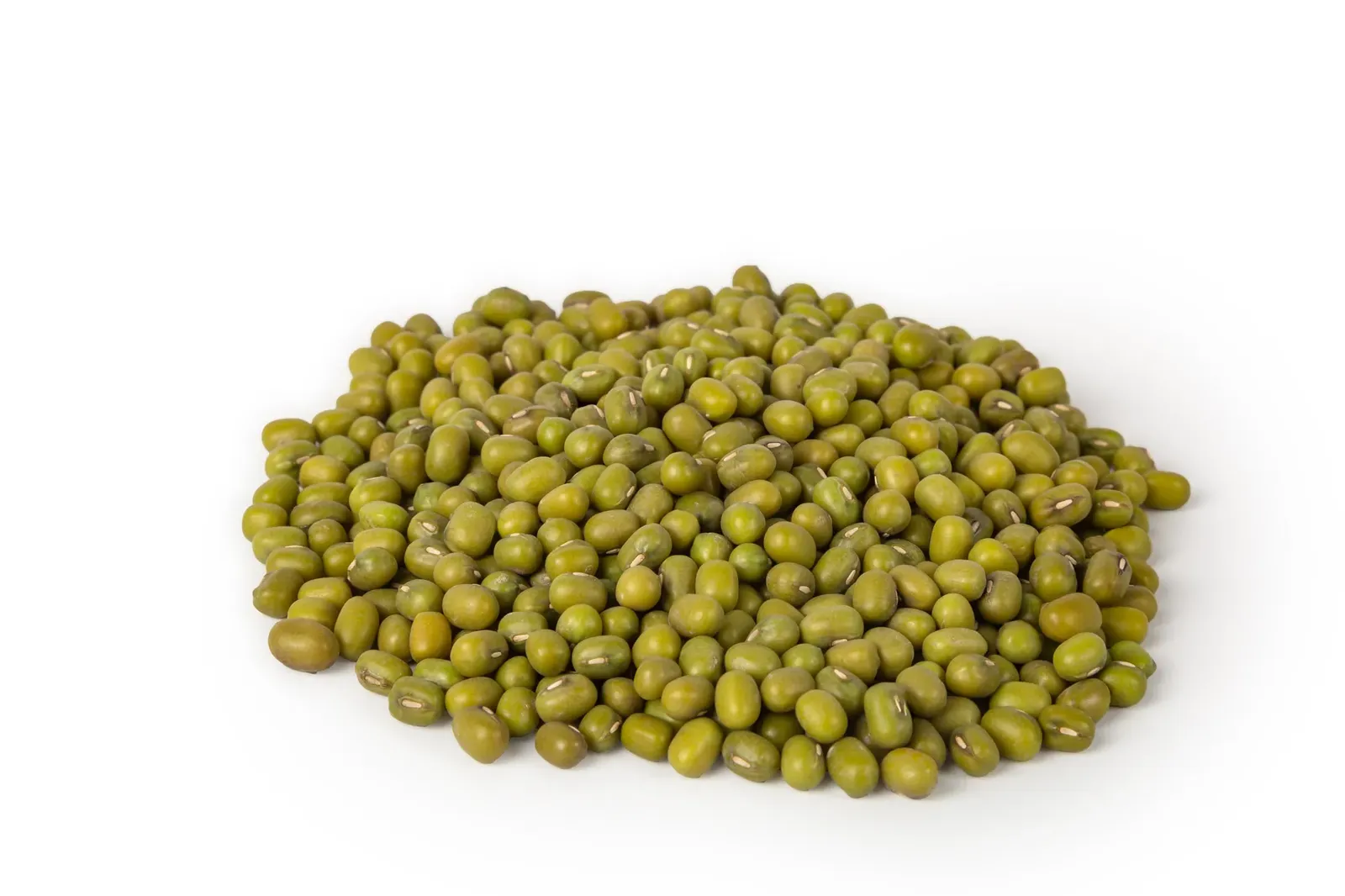
Mung Beans
Description
1. How it is grown and harvested: Pulses have been grown in Uzbekistan for centuries and are a key part of the national cuisine. Today the country is a significant exporter of pulses, especially mung beans and beans, thanks to its long, hot growing season, irrigated fields and the possibility of growing a second crop after the wheat harvest. Mung beans (mosh) are one of the most important pulse crops of Uzbekistan and a major export. They are often grown as a second crop after wheat, on irrigated fields in the hot summer months. The small green beans ripen quickly, are harvested when the pods turn dark and dry, then threshed and dried naturally. The short growing season of mung beans — around 70 to 90 days — allows farmers to harvest them in the same year after wheat. Uzbek mung beans are known for their bright green colour, uniform size and good cooking quality.
2. Processing and packaging details: The mung beans are cleaned of soil, stones, chaff and foreign seeds, calibrated and sorted (including colour sorting) to remove broken, discoloured or damaged beans. They are packed in clean food-grade export bags and are available in large volumes. Store in a cool, dry, well-ventilated place, off the floor and away from moisture and pests. Under these conditions dry pulses keep their quality for 12–24 months (mung flour for around 12 months). Each lot can be supplied with export documentation, including a phytosanitary certificate and certificate of origin, on request.
3. Health benefits and nutrition: Mung beans are rich in plant protein and dietary fibre and provide folate, magnesium, potassium, iron and antioxidants. They are easy to digest, have a low glycaemic index and are naturally gluten-free. In traditional cuisine they are considered a light, nourishing food, and their sprouts are rich in vitamin C. Mung beans are a valuable protein source for vegetarian and vegan diets. Mung beans are used in Uzbek mashkichiri and mashhurda, soups, salads and dal, for sprouting (bean sprouts), in Asian desserts and for mung flour and starch production.
Nutrition facts
per 100 gTypical values for dry, uncooked mung beans.