
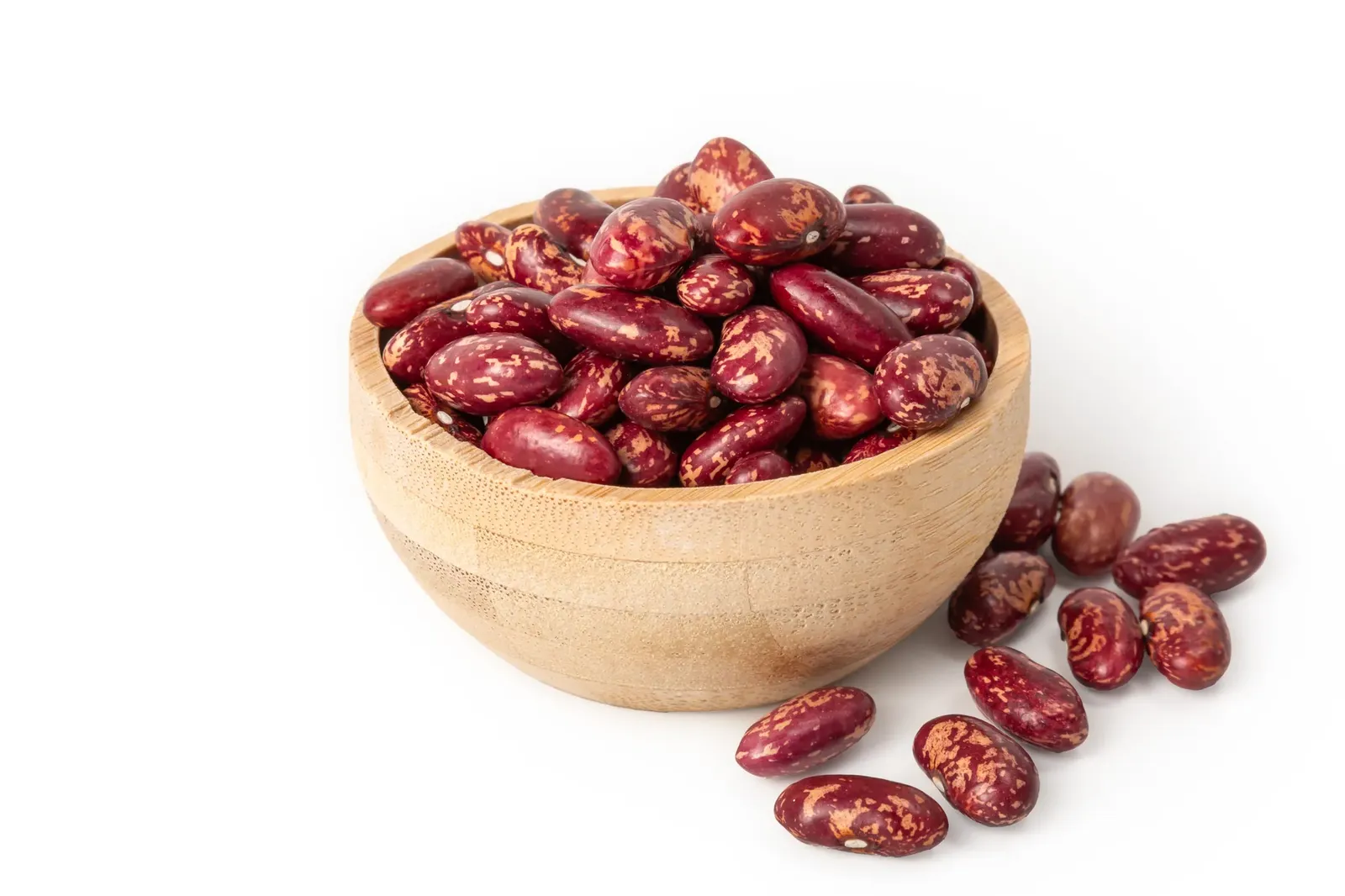
Beans “Red”
Description
1. How it is grown and harvested: Pulses have been grown in Uzbekistan for centuries and are a key part of the national cuisine. Today the country is a significant exporter of pulses, especially mung beans and beans, thanks to its long, hot growing season, irrigated fields and the possibility of growing a second crop after the wheat harvest. Red beans are grown on the fields of Uzbekistan and harvested when the pods have dried on the plant. They are threshed and dried naturally to safe storage moisture. Uzbekistan is a well-known exporter of beans to neighbouring markets. Warm summers, abundant sunshine and irrigation water from the mountain rivers allow the beans to ripen evenly and develop a deep red colour, a smooth skin and a creamy interior with a rich, slightly sweet flavour.
2. Processing and packaging details: The beans are cleaned, calibrated and sorted to remove broken, discoloured or damaged beans, stones and foreign seeds, then packed in clean food-grade export bags. The product is available in large volumes for regular supply to wholesale and processing customers. Store in a cool, dry, well-ventilated place, off the floor and away from moisture and pests. Under these conditions dry pulses keep their quality for 12–24 months (mung flour for around 12 months). Each lot can be supplied with export documentation, including a phytosanitary certificate and certificate of origin, on request.
3. Health benefits and nutrition: Red beans are rich in plant protein, dietary fibre, iron, potassium, magnesium and folate, and their red skin contains antioxidant polyphenols. They are naturally gluten-free. Like all beans, they must be soaked and cooked thoroughly before eating. Their protein and fibre make red beans a filling and nutritious part of vegetarian, vegan and balanced family diets. Red beans are used in soups, stews, chili, salads, rice-and-bean dishes and canned products. Soak for 8–12 hours, discard the soaking water and boil thoroughly before using in recipes. Red beans keep their shape well after cooking, making them ideal for salads and canning. They are also a popular ingredient in plant-based dishes.
Nutrition facts
per 100 gTypical values for dry, uncooked beans.