
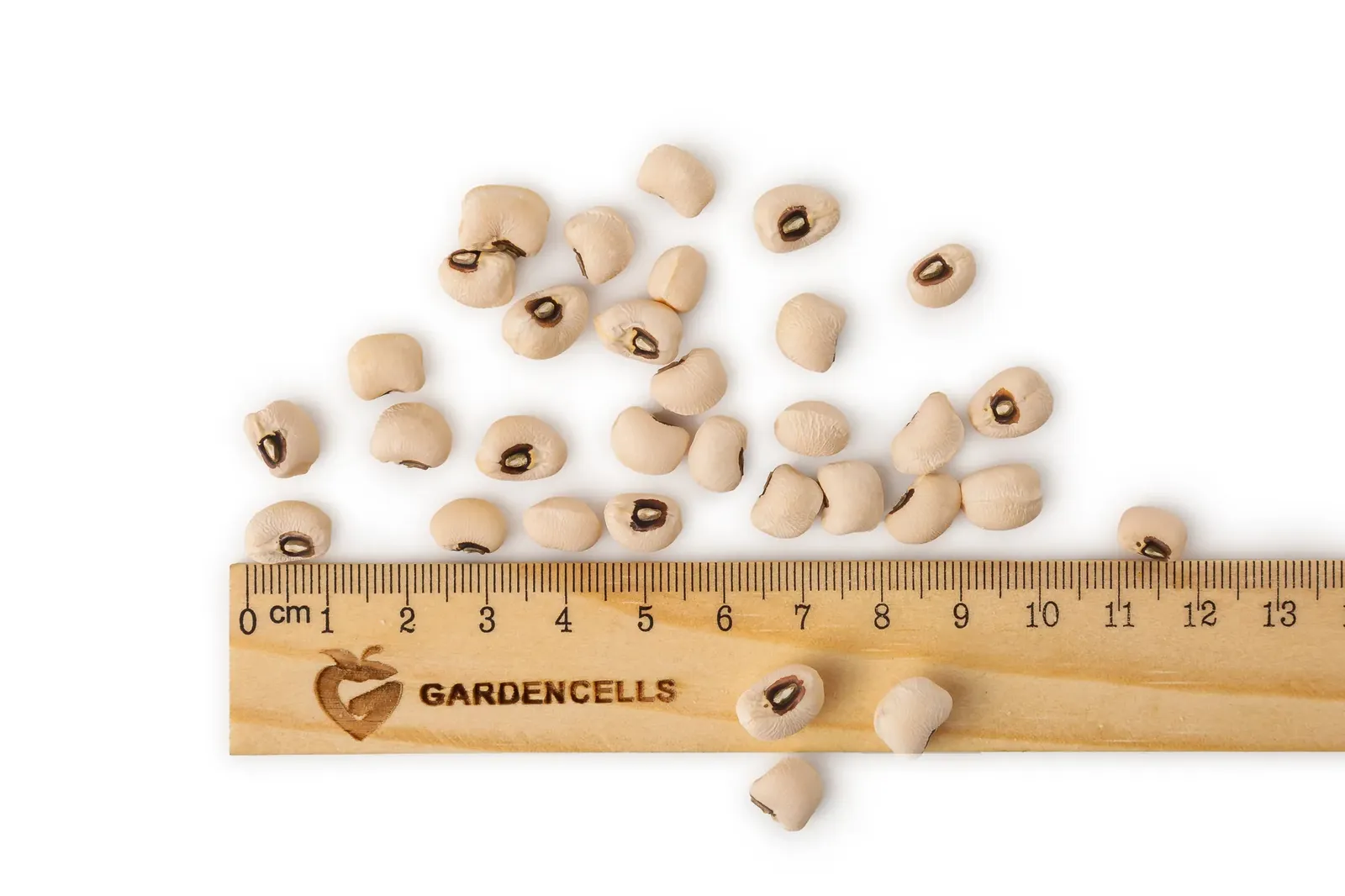
Beans “Black Eye”
Description
1. How it is grown and harvested: Pulses have been grown in Uzbekistan for centuries and are a key part of the national cuisine. Today the country is a significant exporter of pulses, especially mung beans and beans, thanks to its long, hot growing season, irrigated fields and the possibility of growing a second crop after the wheat harvest. Black-eyed beans (cowpeas) are well suited to the hot climate of Uzbekistan and are grown on irrigated fields. The crop is harvested when the pods have dried, then threshed and dried naturally. Cowpeas are among the most heat-tolerant pulses, which makes them well adapted to Uzbekistan’s long, hot summers. They are harvested when the pods have dried on the plant and are known for their creamy-white colour with a distinctive black spot.
2. Processing and packaging details: The beans are cleaned, calibrated and sorted to remove broken, discoloured or damaged beans and foreign matter, then packed in clean food-grade export bags. The product is available in large volumes for regular supply. Store in a cool, dry, well-ventilated place, off the floor and away from moisture and pests. Under these conditions dry pulses keep their quality for 12–24 months (mung flour for around 12 months). Each lot can be supplied with export documentation, including a phytosanitary certificate and certificate of origin, on request.
3. Health benefits and nutrition: Black-eyed beans provide plant protein, dietary fibre, folate, iron, potassium and magnesium, with a low glycaemic index. They are naturally gluten-free and cook faster than many other beans. Their fibre and protein help maintain fullness and support healthy digestion. Black-eyed beans are used in soups, stews, salads, rice dishes and traditional dishes of many cuisines, and in canned products. A short soak of 4–6 hours is usually enough, and they have a pleasant creamy texture and mild, earthy flavour. They are widely used in African, Mediterranean, Indian and Southern US cuisine.
Nutrition facts
per 100 gTypical values for dry, uncooked beans.