
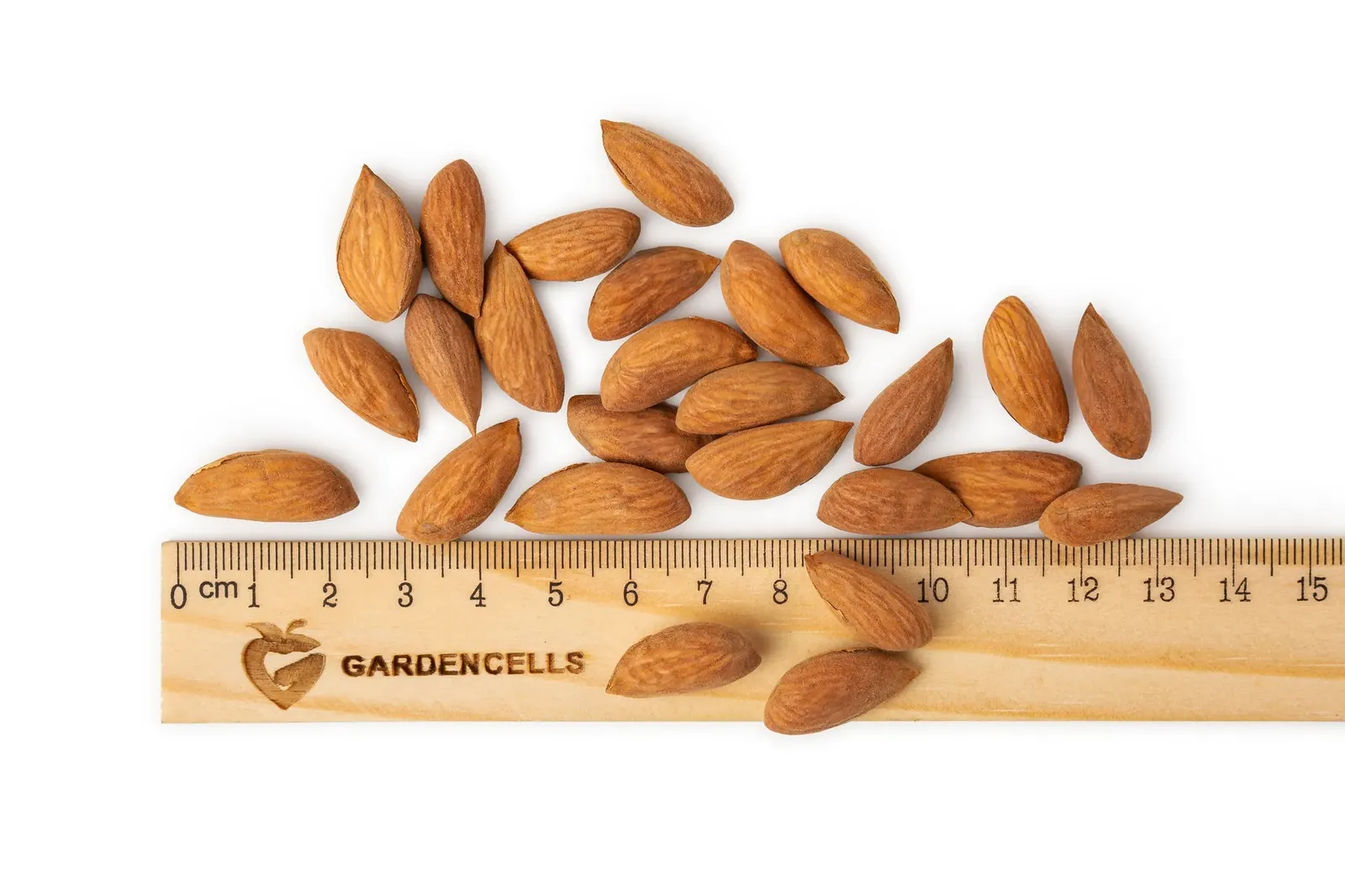
Apricot Kernels “Salted”
Description
1. How it is grown and harvested: Because Uzbekistan is one of the world’s largest apricot producers, the country has a large and steady supply of apricot stones every season, collected during the pitting of fruit for drying. These kernels come from apricot stones collected during the processing of Uzbek apricots. In the traditional Central Asian way, the stones are roasted with salt (often with ash and salt water) and the kernels are then eaten as a crunchy, savoury snack. This method gives the shell a white salty coating and the kernel inside a pleasant roasted, slightly bitter-sweet flavour that many people in the region grew up with.
2. Processing and packaging details: The salted kernels are inspected for quality and foreign matter and packed in food-grade, moisture-resistant packaging that keeps them crisp. Each lot is checked for taste, salt level and crunchiness before packing. Store in a cool, dry place away from light and strong odours. In-shell stones keep their quality for long periods; kernels are best used within 12 months. Buyers are responsible for ensuring that the product and its intended use comply with the food safety rules of the destination country. Export documentation is available on request.
3. Health benefits and nutrition: Salted apricot kernels contain plant oil, protein and minerals. They naturally contain amygdalin and should be eaten only in small amounts; they also contain added salt. Buyers must comply with the food safety regulations of the destination market. Like other nuts and seeds, they should be part of a varied diet rather than eaten in large amounts. Salted apricot kernels are a traditional snack served with tea and sold in Central Asian markets and oriental shops. They are traditionally cracked at the table and enjoyed in small portions, often together with raisins and other dried fruit. Their salty, crunchy taste makes them a popular companion to green tea and a nostalgic treat for many customers from Central Asia living abroad.